
Introduction
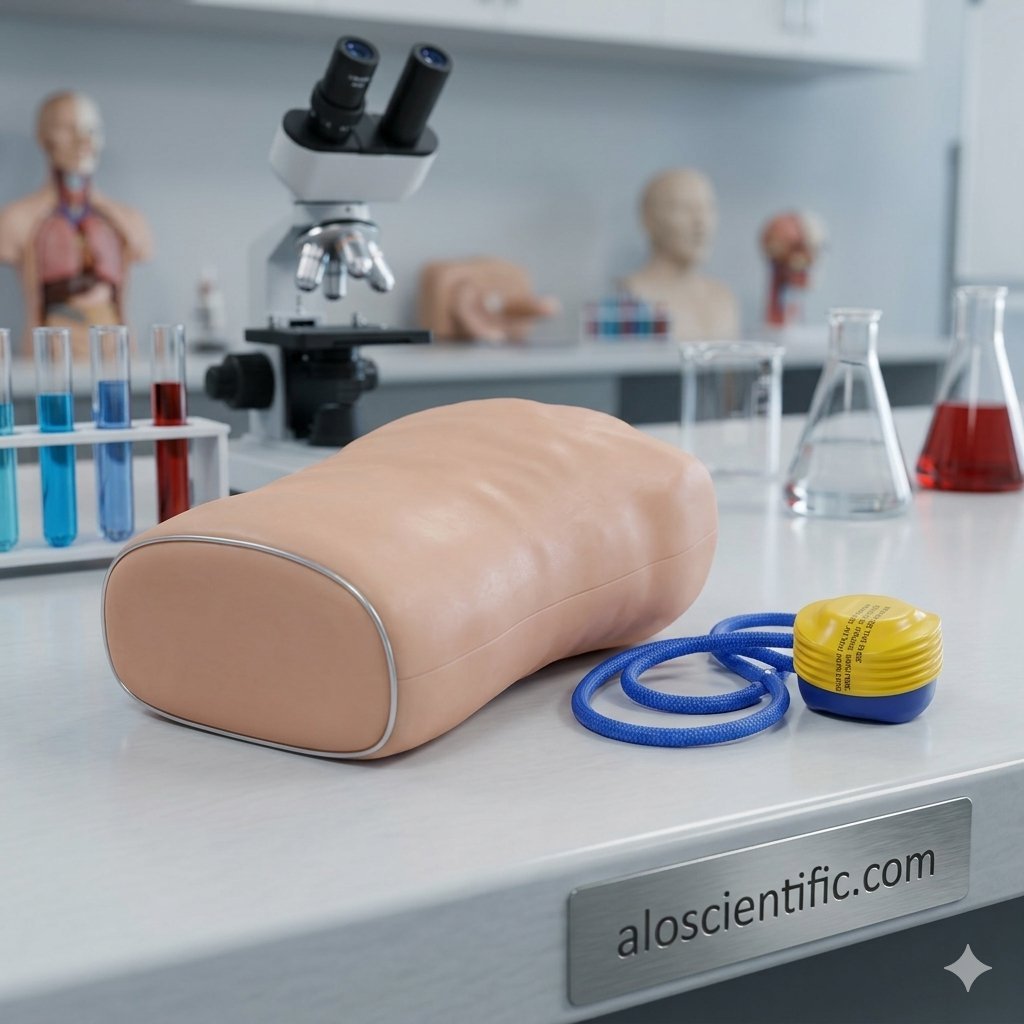
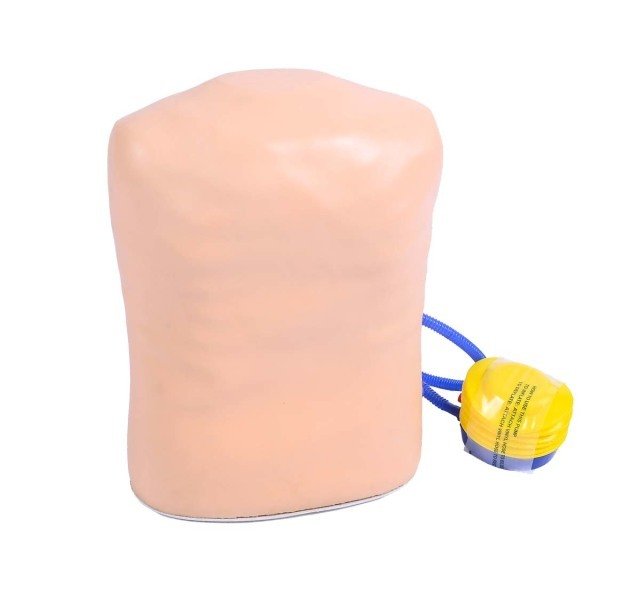
The XC-465A Pneumothorax Simulator is a medical education training model intended to support practical learning about pneumothorax, thoracic anatomy and relevant clinical procedures. Pneumothorax is a condition in which air enters the pleural space between the lung and chest wall, potentially affecting normal lung expansion. Understanding this condition, its causes, clinical features and management principles is an important part of medical and healthcare education.
Practical training models help medical students and healthcare trainees connect theoretical knowledge with hands-on learning. The XC-465A Pneumothorax Simulator can be considered for medical colleges, nursing institutes, clinical skills laboratories, emergency medicine training centres and simulation-based education facilities.
Instructors may use the simulator to explain relevant chest anatomy, demonstrate the model’s supported training functions and guide students through supervised educational activities. This type of structured learning can help students become familiar with the terminology, equipment and procedural concepts associated with pneumothorax.
For medical education in Bangladesh, practical simulators can support classroom lessons, workshops and clinical skills training. The XC-465A is intended for educational use and should be used according to the manufacturer’s instructions and institutional training protocols. Contact Alo Scientific to confirm its exact functions, materials, dimensions and accessories before purchasing.
8. Product Overview
The XC-465A Pneumothorax Simulator is designed as a training aid for learning about pneumothorax and related chest procedure concepts. Pneumothorax can occur for different reasons, including chest trauma or spontaneous lung-related events. Depending on the clinical circumstances, it may require medical assessment and treatment by qualified healthcare professionals.
In medical education, understanding pneumothorax involves learning about the pleural space, the lungs, the chest wall and the physiological effects of air accumulating in the pleural cavity. A suitable simulator can help instructors explain these concepts through visual demonstration and practical learning activities.
The XC-465A may be incorporated into clinical skills sessions, emergency care workshops and simulation-based teaching programs, depending on its actual configuration. Students can observe instructor demonstrations and practise only the relevant activities supported by the supplied model under qualified supervision.
The precise anatomical representation, simulated features, supported procedures and included accessories have not been independently confirmed. Institutions should verify these details with the supplier to ensure that the model meets their educational requirements.
9. Key Features of XC-465A Pneumothorax Simulator
-
Pneumothorax education: Designed to support learning about pneumothorax and its relevant anatomical concepts.
-
Thoracic anatomy demonstration: Can serve as a teaching aid for explaining chest structures represented by the model.
-
Clinical skills training: Suitable for consideration in practical medical education environments.
-
Simulation-based learning: Provides a physical training resource for relevant educational activities.
-
Instructor demonstrations: Supports teaching of the model’s verified training functions.
-
Supervised practice: Can be incorporated into instructor-guided practical sessions.
-
Emergency medicine education: May be relevant to teaching about pneumothorax in emergency care curricula.
-
Medical training application: Intended for educational use, not direct patient treatment.
10. Applications of XC-465A Pneumothorax Simulator
Medical Colleges
Medical colleges can consider the XC-465A for teaching thoracic anatomy, respiratory system concepts and pneumothorax-related clinical education. The simulator may complement lectures and practical laboratory sessions.
Nursing Institutes
Nursing students may use the model in relevant lessons on respiratory conditions, clinical observation, emergency care concepts and patient safety, according to the course curriculum.
Clinical Skills Laboratories
The simulator can be considered for clinical skills laboratories where students learn about chest conditions and applicable procedures through instructor-led demonstrations and supervised practice.
Emergency Medicine Training Centres
Emergency medicine education includes understanding chest injuries and respiratory emergencies. The XC-465A may support relevant teaching sessions focused on pneumothorax and related clinical concepts.
Simulation-Based Training Centres
Simulation centres may incorporate the model into practical training stations and structured scenarios where the simulator’s capabilities match the learning objectives.
Healthcare Workshops
Healthcare educators may use the simulator in workshops to explain pneumothorax, thoracic anatomy and relevant clinical training principles.
11. Benefits of XC-465A Pneumothorax Simulator
Supports Hands-On Education
The simulator can complement theoretical lessons by providing a physical resource for visual explanation and practical demonstrations.
Improves Anatomical Understanding
A suitable anatomical training model can help students understand the relationship between the lungs, pleural space and chest wall.
Encourages Structured Learning
Instructors can organize sessions around learning objectives, demonstrations, supervised activities and feedback.
Builds Procedural Familiarity
Depending on its configuration, the simulator may help learners become familiar with selected chest procedure concepts and related equipment.
Facilitates Instructor Feedback
Educators can observe student participation and provide feedback on understanding, equipment handling and procedural sequence.
Supports Simulation-Based Teaching
The model may be used alongside lectures, textbooks, videos and case discussions to provide varied learning methods.
Encourages Team-Based Learning
Where appropriate, instructors can use the simulator in group-based lessons to discuss clinical communication, teamwork and emergency care principles.
Provides a Controlled Practice Environment
Simulation supports learning in a controlled environment without using patients as practice subjects. Appropriate supervision remains essential.
12. How to Use the XC-465A Pneumothorax Simulator
The exact setup and operating procedure depend on the model’s design. Always follow the manufacturer’s instructions.
-
Prepare the training area: Set up a clean and stable workspace with the required training materials.
-
Review learning objectives: The instructor should explain pneumothorax, relevant anatomy and the purpose of the training session.
-
Inspect the simulator: Check for visible damage and ensure that the model is prepared according to the manufacturer’s guidelines.
-
Explain the anatomical structures: Discuss the chest structures represented by the simulator and their relevance to pneumothorax.
-
Demonstrate supported functions: The instructor should demonstrate only the training activities supported by the actual model.
-
Conduct supervised practice: Students may participate in relevant educational activities under qualified supervision.
-
Review and provide feedback: Discuss learning outcomes, model handling, safety and any areas requiring further instruction.
-
Clean and store: Follow the manufacturer’s recommended procedures for cleaning, maintenance and storage.
Important Safety Note
The XC-465A Pneumothorax Simulator is an educational training aid, not a device for diagnosing or treating patients. Invasive chest procedures require formal professional training, appropriate authorization and qualified supervision. Simulator practice alone does not establish clinical competence.
13. Technical Specifications
|
Specification |
Details |
|---|---|
|
Product Name |
Pneumothorax Simulator |
|
Model Number |
XC-465A |
|
Product Category |
Medical Education Equipment |
|
Product Type |
Pneumothorax Training Simulator |
|
Application |
Pneumothorax and thoracic anatomy education |
|
Training Method |
Demonstration and supervised simulation |
|
Suitable For |
Medical colleges, nursing institutes, clinical skills laboratories and simulation centres |
|
Anatomical Representation |
Confirm with supplier |
|
Supported Procedures |
Confirm with manufacturer |
|
Simulation Features |
Confirm with supplier |
|
Material |
Confirm with supplier |
|
Dimensions |
Confirm with supplier |
|
Weight |
Confirm with supplier |
|
Colour |
As per supplied model |
|
Accessories |
Confirm with supplier |
|
Cleaning Method |
Follow manufacturer instructions |
|
Manufacturer |
Confirm with supplier |
|
Country of Origin |
Confirm with supplier |
|
Warranty |
Confirm with supplier |
Specifications are subject to manufacturer confirmation. Please contact Alo Scientific for exact product details, accessories and package contents.
14. Importance of Pneumothorax Training in Medical Education
Pneumothorax is an important topic in respiratory medicine, emergency medicine, trauma care and clinical education. It involves air collecting in the pleural space, which can interfere with lung expansion. Students need to understand the anatomy, possible causes, symptoms and clinical significance of this condition as part of their healthcare training.
A pneumothorax simulator can support educators in explaining these concepts through practical demonstrations. A physical model may make it easier for students to visualize relevant anatomical relationships and understand the principles behind selected clinical procedures.
For medical students, simulation-based education can provide a structured opportunity to engage with relevant training equipment and procedural concepts. Nursing students may also benefit from learning about respiratory observation, patient monitoring and care associated with chest conditions.
In Bangladesh, medical colleges, nursing institutes and healthcare training centres may use the XC-465A as part of a broader practical education program. Training objectives should be aligned with the actual features of the simulator, the students’ level of education and institutional safety standards.
15. Why Choose XC-465A Pneumothorax Simulator from Alo Scientific?
Alo Scientific supplies medical, scientific and educational equipment for healthcare institutions, laboratories and training centres in Bangladesh.
The XC-465A Pneumothorax Simulator may be considered by institutions seeking a practical resource for pneumothorax education and related clinical skills teaching. Before purchasing, institutions should verify the model’s anatomical representation, supported procedures, materials, dimensions, accessories and maintenance requirements.
Alo Scientific can provide product information to help buyers assess whether the simulator is suitable for their intended teaching activities.
Visit aloscientific.com for product enquiries, current pricing and availability.
16. Frequently Asked Questions (FAQ)
Q1. What is the XC-465A Pneumothorax Simulator?
The XC-465A is a medical training simulator intended to support education about pneumothorax, thoracic anatomy and relevant clinical concepts, depending on its configuration.
Q2. What is pneumothorax?
Pneumothorax is a condition in which air enters the pleural space between the lung and chest wall. It can interfere with normal lung expansion and may require medical assessment.
Q3. Who can use the XC-465A Pneumothorax Simulator?
It may be suitable for medical students, nursing students, healthcare trainees and instructors in supervised educational settings.
Q4. Can the simulator be used in medical colleges?
Yes, it can be considered for clinical skills laboratories and practical medical education where its features align with the curriculum.
Q5. Is the XC-465A suitable for nursing institutes?
It may support relevant nursing education about respiratory conditions, chest care and clinical training concepts, depending on the institution’s requirements.
Q6. Does the XC-465A support chest decompression or chest tube insertion practice?
The exact procedures supported by this model have not been confirmed. Contact Alo Scientific to verify its functions before purchase.
Q7. What material is used to manufacture the XC-465A?
The specific construction material should be confirmed with the manufacturer or supplier.
Q8. Does the simulator include accessories?
The exact package contents have not been confirmed. Please contact Alo Scientific for an updated list of included accessories.
Q9. Can the XC-465A be used on real patients?
No. The simulator is designed for educational use and must not be used for patient diagnosis or treatment.
Q10. Where can I buy the XC-465A Pneumothorax Simulator in Bangladesh?
You can contact Alo Scientific through aloscientific.com to enquire about price, specifications, availability and delivery.
17. Long Description
The XC-465A Pneumothorax Simulator is a medical education training model intended to support learning about pneumothorax, thoracic anatomy and relevant clinical training concepts. It may be considered for medical colleges, nursing institutes, emergency medicine training centres, clinical skills laboratories and simulation-based healthcare education facilities.
Pneumothorax occurs when air accumulates in the pleural space, the area between the lung and the chest wall. This can affect normal lung expansion and may cause symptoms such as chest pain and shortness of breath. The condition can arise in different circumstances, including spontaneous events, trauma or certain medical procedures. Understanding the anatomy and clinical significance of pneumothorax is an important part of medical and nursing education.
The XC-465A Pneumothorax Simulator can be considered as a physical teaching resource to complement classroom instruction. A suitable simulator can help educators explain the relationship between the lungs, pleural space and chest wall, making relevant anatomical concepts easier to visualize. The model’s actual anatomical representation and simulated functions should be confirmed with the supplier before designing specific practical lessons.
In medical colleges, the simulator may be used in lectures, practical demonstrations and clinical skills laboratory sessions. Instructors can introduce the relevant anatomy, explain the general principles of pneumothorax and demonstrate the features supported by the model. Students can observe and discuss the demonstration, ask questions and participate in supervised learning activities appropriate to their educational level.
Nursing institutes may also consider the simulator for lessons on respiratory conditions, chest care and related clinical responsibilities. Practical education may cover relevant terminology, observation principles, equipment familiarity and patient safety concepts. The exact training activities should be determined by the curriculum and the verified capabilities of the simulator.
Clinical skills laboratories and simulation centres provide controlled environments for healthcare education. The XC-465A may be incorporated into training stations where students explore thoracic anatomy and learn about relevant procedures through instructor-led demonstration. Where supported by the model, supervised practice may help students become familiar with the training process and associated equipment.
Emergency medicine education may include learning about pneumothorax in the context of chest trauma and respiratory emergencies. The simulator may serve as a resource for discussing clinical scenarios, anatomy and general treatment principles. It should not be used to teach or encourage unsupervised performance of invasive procedures.
Simulation-based learning complements theoretical teaching by introducing practical educational resources into the classroom. Instructors can combine the XC-465A with textbooks, anatomical illustrations, video resources and case-based discussions. Feedback during training can help students identify gaps in understanding and clarify relevant clinical concepts.
For healthcare institutions in Bangladesh, the selection of medical training equipment should be based on course requirements, student learning objectives and the practical capabilities of the product. Before purchasing the XC-465A Pneumothorax Simulator, buyers should confirm its materials, dimensions, anatomical features, supported procedures, accessories, cleaning instructions and warranty with the supplier.
The XC-465A is an educational simulator and does not replace formal clinical instruction, professional qualifications or supervised patient care. All training activities should be conducted by qualified educators in accordance with the manufacturer’s instructions and institutional safety policies.
Alo Scientific provides medical and scientific education products for healthcare training environments. Contact Alo Scientific for verified product specifications, current pricing, availability and purchasing information for the XC-465A Pneumothorax Simulator.
18. Conclusion
The XC-465A Pneumothorax Simulator is a medical education resource to consider for teaching pneumothorax, thoracic anatomy and relevant clinical training concepts. It may support instructor demonstrations and supervised simulation-based learning according to its confirmed features and capabilities.
For verified specifications, supported procedures, accessories, pricing and availability in Bangladesh, contact Alo Scientific through aloscientific.com.


Reviews
There are no reviews yet.