

Introduction
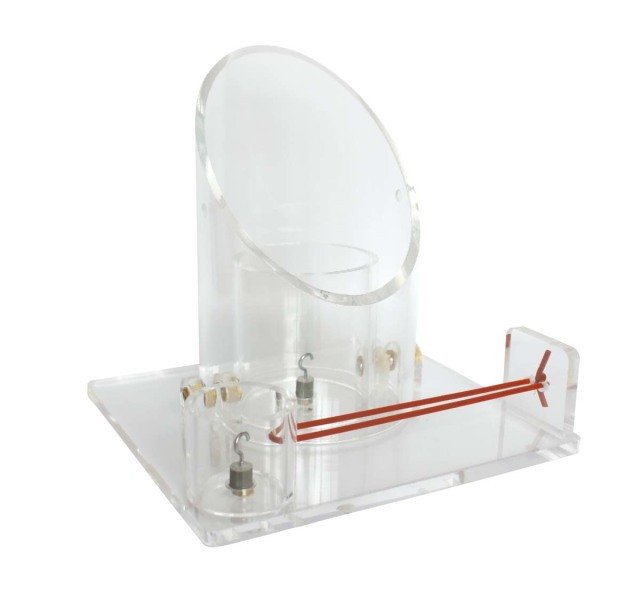
The XC-473 Knot Tying Trainer is a surgical skills training model designed to support practical learning of knot tying techniques in medical and healthcare education. Knot tying is an important practical skill in surgical training, requiring hand coordination, controlled movements, correct technique and repeated practice. A dedicated knot tying trainer can help students become familiar with these techniques in a supervised educational environment.
In medical colleges, nursing institutes and clinical skills laboratories, practical training models help connect theoretical knowledge with hands-on learning. The XC-473 Knot Tying Trainer can be incorporated into instructor demonstrations, surgical skills workshops and practice sessions according to the model’s actual design and capabilities.
For medical students and healthcare trainees in Bangladesh, practical surgical skills training is an important part of professional education. This model may help instructors organize structured knot tying practice, explain procedural steps and provide feedback. Students can practise applicable techniques while developing familiarity with the movements and sequence involved in knot tying.
The XC-473 Knot Tying Trainer is suitable for consideration by institutions looking to support surgical skills education. For confirmed product features, materials, dimensions and accessories, contact Alo Scientific before ordering.
8. Product Overview
The XC-473 Knot Tying Trainer is intended to provide a practical training aid for learning and demonstrating surgical knot tying techniques. Knot tying is commonly included in surgical skills education because it requires learners to coordinate their hands, control tension and follow a consistent sequence of movements.
Students often begin by learning the basic concepts and steps of knot tying through lectures, textbooks and instructor demonstrations. Practical training models can help reinforce this knowledge by allowing students to repeat the relevant movements in a structured setting.
The XC-473 can be used as part of a skills laboratory session, where an instructor explains the learning objectives, demonstrates the technique and supervises student practice. This learning approach can help trainees recognize errors, receive guidance and improve their procedural familiarity through repetition.
The exact design and practice functions of this particular model should be confirmed with the supplier. Institutions should verify which knot tying methods are supported, what materials are required and whether any accessories or consumables are included.
9. Key Features of XC-473 Knot Tying Trainer
-
Surgical knot tying practice: Designed to support practical knot tying instruction, subject to the model’s configuration.
-
Hands-on learning: Provides a physical training aid for practising applicable knot tying techniques.
-
Instructor demonstration: Can be used to demonstrate relevant procedures and explain step-by-step techniques.
-
Supervised student practice: Supports instructor-guided training in a medical education environment.
-
Surgical skills education: Suitable for consideration in surgical skills courses and practical workshops.
-
Skills laboratory use: Can be incorporated into clinical skills laboratories and simulation-based teaching.
-
Repeat practice: Supports repeated training activities, depending on the trainer’s construction and material durability.
-
Medical training application: Intended for educational use rather than direct patient care.
10. Applications of XC-473 Knot Tying Trainer
Medical Colleges
Medical colleges can use surgical training models to support practical classes for medical students. The XC-473 may be included in surgical skills lessons to introduce knot tying techniques and reinforce instructor demonstrations.
Nursing Institutes
Nursing students may learn about surgical procedures, clinical assistance and relevant practical techniques as part of their training. Where appropriate to the curriculum and model design, the trainer can support instructor-led knot tying demonstrations.
Surgical Skills Laboratories
A knot tying trainer can be used in a dedicated skills laboratory to organize practical sessions. Students can observe demonstrations, practise relevant movements and receive feedback from instructors.
Clinical Simulation Centres
Simulation centres provide a structured environment for developing clinical skills. The XC-473 may be incorporated into a surgical skills station where knot tying is a defined learning objective.
Healthcare Training Workshops
The trainer can be considered for practical workshops, seminars and skill development programs that include knot tying instruction. The instructor should ensure that the techniques being taught are supported by the model.
Instructor Demonstrations
Educators can use the trainer to explain the sequence of knot tying movements, discuss technique and demonstrate applicable methods before supervised student practice.
11. Benefits of XC-473 Knot Tying Trainer
Improves Practical Familiarity
Knot tying requires coordination and controlled hand movements. A dedicated training model can help learners become familiar with the process through repeated practice.
Supports Step-by-Step Learning
Students can learn knot tying in stages, beginning with an instructor demonstration followed by guided practice. This structured method can help learners understand the sequence of movements.
Encourages Hand-Eye Coordination
Practical knot tying activities involve coordinated hand movements and visual attention. Repeated supervised practice can help students develop familiarity with these skills.
Provides an Educational Practice Environment
A training model allows learners to practise applicable techniques in a controlled educational environment before progressing to more advanced training under qualified supervision.
Facilitates Instructor Feedback
Instructors can observe learners and provide corrections on technique, movement and procedural sequence. Feedback helps students identify areas that may need further practice.
Supports Simulation-Based Education
Simulation-based teaching can complement lectures, textbooks and clinical instruction. The XC-473 can form part of a broader practical skills training program where suitable.
Helps Organize Practical Classes
Institutions can include the trainer in a structured course, workshop or practical station. This may make it easier to plan demonstrations and supervised training activities.
12. How to Use the XC-473 Knot Tying Trainer
The exact operating method depends on the product’s construction and manufacturer instructions. The following is a general educational workflow:
-
Prepare the training area: Place the trainer on a stable, clean work surface and arrange the required training materials.
-
Explain the learning objectives: The instructor should describe the knot tying techniques that students will learn during the session.
-
Inspect the model: Check the trainer for visible damage and confirm that it is correctly prepared according to the manufacturer’s instructions.
-
Demonstrate the technique: The instructor should show the relevant knot tying movements and explain the procedural sequence.
-
Begin supervised practice: Students can practise the supported techniques under instructor supervision.
-
Review technique: The instructor should provide feedback on hand movements, technique and consistency, according to the course objectives.
-
Repeat practice: Learners may repeat the exercise to reinforce their understanding and identify areas that need improvement.
-
Clean and store: Follow the manufacturer’s recommendations for cleaning, maintenance and storage.
Note: The trainer is an educational aid and is not intended for use on patients. Students should follow institutional safety procedures and receive appropriate supervision.
13. Technical Specifications
|
Specification |
Details |
|---|---|
|
Product Name |
Knot Tying Trainer |
|
Model Number |
XC-473 |
|
Product Category |
Medical Education Equipment |
|
Product Type |
Surgical Knot Tying Training Model |
|
Application |
Knot tying skills education and practice |
|
Suitable For |
Medical colleges, nursing institutes, skills laboratories and training centres |
|
Training Method |
Demonstration and supervised practice |
|
Material |
Confirm with supplier |
|
Dimensions |
Confirm with supplier |
|
Weight |
Confirm with supplier |
|
Colour |
As per supplied model |
|
Supported Techniques |
Confirm with manufacturer |
|
Accessories |
Confirm with supplier |
|
Consumables |
Confirm with supplier |
|
Manufacturer |
Confirm with supplier |
|
Country of Origin |
Confirm with supplier |
|
Warranty |
Confirm with supplier |
Specifications may vary depending on the manufacturer and supplied configuration. Please contact Alo Scientific to confirm the exact technical details, included accessories and availability.
14. Importance of Knot Tying Practice in Medical Education
Knot tying is a practical skill taught in many surgical training programs. Learners need to understand how to follow a technique, coordinate their hands and perform the required movements in a controlled way. These skills are developed through demonstration, guided instruction and repeated practice.
A surgical knot tying trainer can support this educational process by providing a dedicated physical model for applicable exercises. Instead of relying only on written instructions or video demonstrations, students can practise the movements and receive direct feedback from an instructor.
In Bangladesh, medical colleges, nursing institutes and healthcare training centres may use practical training equipment to support classroom teaching and laboratory-based instruction. The XC-473 Knot Tying Trainer can be considered for this purpose, provided that its functions match the institution’s curriculum and training requirements.
15. Why Choose XC-473 Knot Tying Trainer from Alo Scientific?
Alo Scientific supplies medical education and scientific equipment for educational institutions, laboratories and healthcare training environments in Bangladesh. The XC-473 Knot Tying Trainer may be suitable for institutions seeking a dedicated model for knot tying demonstrations and supervised practice.
Before purchasing, institutions should confirm:
-
Supported knot tying techniques
-
Product material and construction
-
Dimensions and weight
-
Included accessories and training materials
-
Cleaning and maintenance requirements
-
Warranty and after-sales support
-
Current price and availability
For product information and purchasing enquiries, visit aloscientific.com or contact Alo Scientific directly.
16. Frequently Asked Questions (FAQ)
Q1. What is the XC-473 Knot Tying Trainer?
The XC-473 Knot Tying Trainer is a medical education model designed to support surgical knot tying demonstrations and supervised practice, according to its specific configuration.
Q2. What is the primary use of the XC-473 Knot Tying Trainer?
Its intended use is to support knot tying skills education in medical and healthcare training environments.
Q3. Who can use the XC-473 Knot Tying Trainer?
It may be suitable for medical students, nursing students, clinical skills instructors and healthcare trainees in supervised educational settings.
Q4. Can the XC-473 be used in medical colleges?
Yes, it can be considered for surgical skills laboratories and practical classes where knot tying is part of the curriculum and the model supports the required exercises.
Q5. Is the XC-473 suitable for nursing institutes?
It may be suitable for relevant nursing education and practical demonstrations, depending on the institute’s curriculum and the model’s functions.
Q6. Can students practise repeatedly with this model?
Repeated practice may be possible, but the trainer’s durability, reusable components and replacement requirements should be confirmed with the supplier.
Q7. Does the XC-473 include training materials or accessories?
The exact package contents have not been confirmed. Contact Alo Scientific for details about included accessories and any required consumables.
Q8. What material is used in the XC-473 Knot Tying Trainer?
The specific construction material should be confirmed with the manufacturer or supplier.
Q9. Can the trainer replace supervised clinical training?
No. It is an educational practice aid and does not replace formal instruction, clinical supervision or approved clinical training.
Q10. Where can I buy the XC-473 Knot Tying Trainer in Bangladesh?
You can contact Alo Scientific through aloscientific.com to enquire about pricing, availability, specifications and delivery.
17. Long Description
The XC-473 Knot Tying Trainer is a surgical skills education product intended to support practical knot tying instruction for medical students, nursing students and healthcare trainees. Knot tying is an important element of surgical skills education, requiring learners to understand the correct sequence of movements, develop controlled hand coordination and practise applicable techniques under supervision.
In medical education, practical models help students connect theoretical learning with hands-on activities. The XC-473 Knot Tying Trainer can be considered for use in surgical skills laboratories, clinical simulation centres, nursing institutes and healthcare training workshops. Instructors can use a suitable knot tying trainer to demonstrate relevant methods, guide learners through the training process and provide feedback based on the learning objectives.
For students, practising on a dedicated training model can provide an opportunity to become familiar with the hand movements and procedural sequence involved in knot tying. Repeated practice, combined with instructor feedback, may help learners identify areas where their technique needs further attention. The training process should always be aligned with the actual functions of the model and the educational standards of the institution.
The trainer can be incorporated into a structured lesson that begins with an explanation of the skill, followed by instructor demonstration and supervised student practice. Educators may assess students against defined course objectives, such as following the demonstrated steps, maintaining controlled movements and responding to feedback. These are educational activities and should not be treated as evidence of clinical competence on their own.
For medical colleges and nursing institutes in Bangladesh, training equipment should be selected according to course requirements, practical learning objectives and available teaching resources. Before purchasing the XC-473, institutions should confirm its construction, supported knot tying methods, maintenance requirements and included accessories with the supplier.
Alo Scientific offers medical and scientific training products for educational and professional environments. Institutions interested in the XC-473 Knot Tying Trainer can contact Alo Scientific for product details, current pricing and availability.
18. Conclusion
The XC-473 Knot Tying Trainer is a surgical skills training aid intended to support practical knot tying education, instructor demonstrations and supervised practice. It can be considered for medical colleges, nursing institutes, clinical skills laboratories and healthcare training centres that teach relevant surgical skills.
For confirmed product specifications, package contents, pricing and availability in Bangladesh, contact Alo Scientific through aloscientific.com.


Reviews
There are no reviews yet.